How One Couple Turned an Ordinary Backyard Into a Hedge Against Soaring Living Costs
With grocery bills and utility rates climbing, Ron and Johanna Melchiore’s 40-year homesteading blueprint shows homeowners how to produce what they need right outside their back door.
By Marcus Vance | Special Report | 4 Min Read
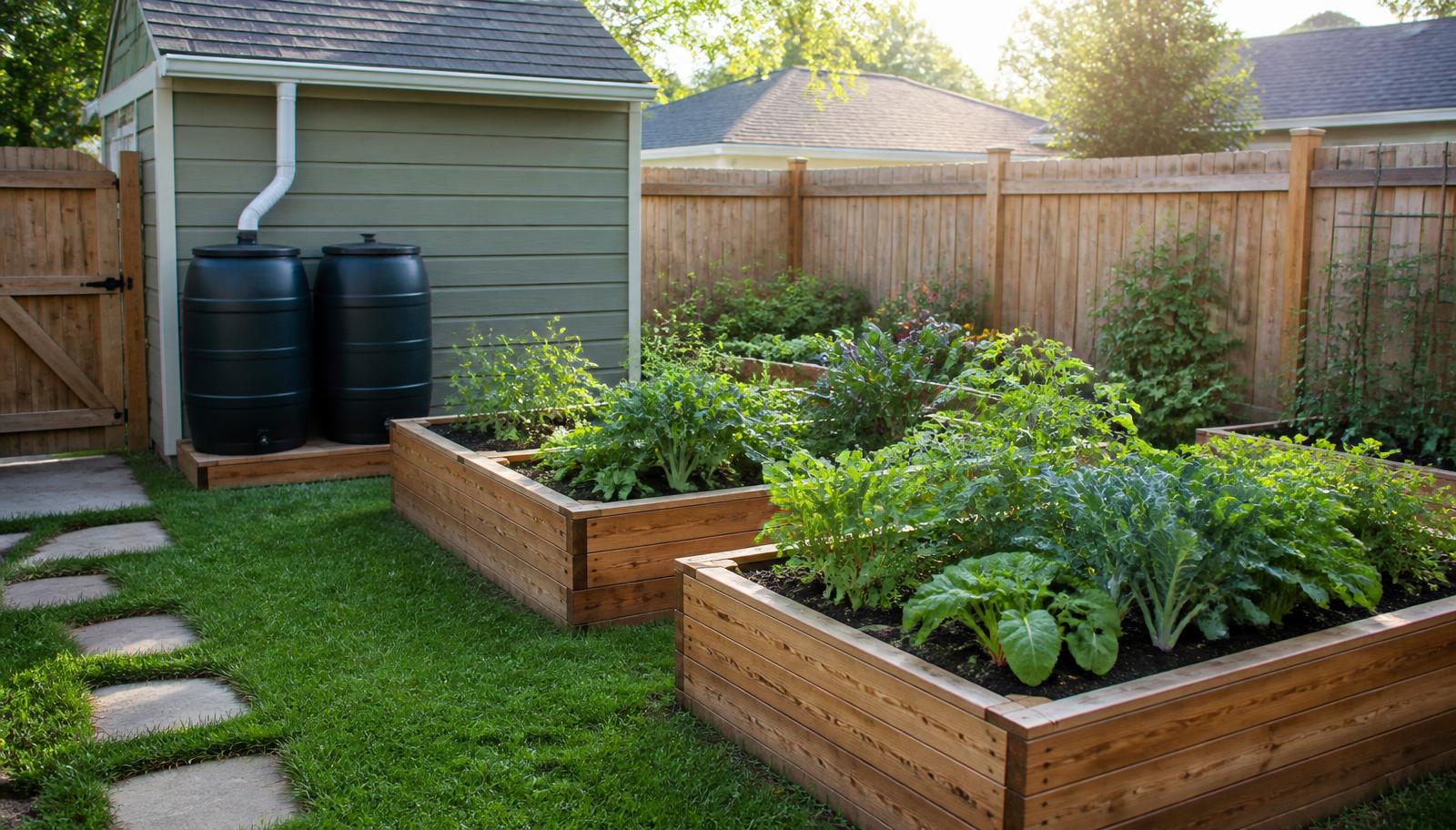
Anyone who has pushed a cart through the checkout lane lately knows the feeling. The same basket of staples that ran roughly $120 a couple of years ago now clears $160 without a single luxury item in it. Electric bills have followed a similar path, with summer cooling and winter heating charges pushing household budgets further each season.
For most families, the response has been to trim. Fewer fresh items. Thermostat a little higher in July. But a growing number of homeowners are trying something different: shifting a slice of their monthly spending off the grocery receipt entirely, using space they already own.
Four Decades of Practical Experience
Ron and Johanna Melchiore have spent more than 40 years living the version of this most people only read about — growing, storing, and preserving the bulk of what they eat. What makes their approach unusual is not the scale of it, but how much of it translates to an ordinary suburban lot.
“People assume you need acreage,” is the misconception they run into most. In practice, the highest-return pieces of their system fit in a corner of a standard backyard: a few well-built beds, a way to catch water that already falls on the roof, and a method of keeping the harvest edible long after the season ends.
The Three Core Pieces
High-Density Vertical Growing
Trellises, stacked beds, and tight succession planting turn a few square feet into a season-long supply of the produce that costs the most at the store.
Passive Rainwater Storage
Simple barrels fed by existing downspouts collect and hold irrigation water with no pump and no added utility charge.
No-Power Food Preservation
Root storage, drying, and canning keep a harvest usable for months without relying on freezer space or a steady electric supply.
The Household Math
None of this replaces a grocery budget overnight. What it does is shave the most volatile line items — fresh vegetables, herbs, and the water used to keep a yard alive — and hold them steady while prices elsewhere move. Families who work through the setup over a single season typically start with the beds, add water storage in the second month, and handle preservation at harvest.
The Melchiores have put the full walkthrough into a free video presentation covering the layout, the build order, and the mistakes that cost first-timers a season.
Free presentation · No sign-up required to watch